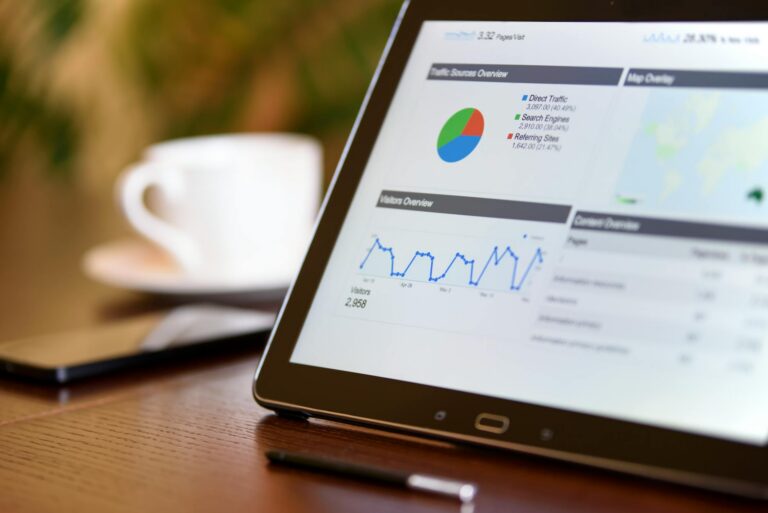
Featured image for the article about AI Tool Influence.
Embark on a comprehensive journey through AI Tool Influence, a transformative force reshaping the digital ecosystem. This article aims to offer an enlightening perspective on its essence, significance, and practical applications in diverse real-world scenarios. By the end, you’ll possess a robust understanding of this groundbreaking technology.
Unveiling AI Tool Influence: A Detailed Overview
AI Tool Influence signifies the power of artificial intelligence (AI) tools to shape and transform events, decisions, or opinions via data analysis and predictive modeling. These tools encompass a spectrum from basic recommendation algorithms to intricate AI systems automating decision-making processes across multiple industries.
The Importance of AI Tool Influence
AI Tool Influence carries immense value in today’s data-centric world. By processing extensive information, these tools aid organizations in making informed decisions, optimizing processes, and anticipating future trends with striking precision.
Workings of AI Tool Influence: An In-depth Analysis
AI Tool Influence functions on multiple levels. It initiates with data collection, followed by analysis using sophisticated algorithms to discern patterns and make predictions. The outcomes of these analyses can then be utilized to shape decisions or influence behavior.
Data Collection Strategies
Data is the lifeblood of AI Tool Influence. These tools gather data from various sources, including user interactions, social media platforms, IoT devices, and more. The broader and more comprehensive the data set, the more accurate the predictions.
Complex Algorithms and Machine Learning
AI Tool Influence relies on advanced algorithms, such as machine learning, neural networks, and deep learning techniques, to analyze collected data and detect patterns. These algorithms are designed to uncover subtle relationships within the data.
Predictive Modeling: Forecasting Future Outcomes
Based on identified patterns, AI tools develop predictive models that forecast future events or behaviors. These models can range from straightforward linear regression to intricate non-linear models capable of handling large and complex datasets.
Real-life Applications of AI Tool Influence: Illustrative Use Cases
AI Tool Influence finds utility across a vast array of industries. Below, we delve into captivating examples:
- Marketing: AI tools help businesses personalize marketing strategies by analyzing customer behavior and preferences.
- Finance: AI algorithms can forecast market trends, empowering investors to make strategic decisions regarding resource allocation.
- Healthcare: AI tools support disease diagnosis and patient outcome prediction, contributing to enhanced healthcare services.
Common Misconceptions About AI Tool Influence: Debunking Myths
While AI Tool Influence holds tremendous potential, it’s essential to dispel some prevailing misconceptions:
- AI tools are flawless: It’s crucial to remember that AI tools depend on the quality of the data they process and the algorithms they employ. Consequently, while they can significantly enhance decision-making, they are not infallible.
- AI tools will replace human jobs: Although AI tools can automate specific tasks, they also create new opportunities for human involvement in areas like strategic oversight, quality control, and ethical considerations.
Making Informed Decisions About AI Tool Influence: Balancing Advantages and Limitations
As you navigate the realm of AI Tool Influence, it’s essential to approach decisions with a clear comprehension of its potential benefits and drawbacks. By doing so, you can leverage this potent technology to drive growth, optimize processes, and thrive in today’s fast-paced digital landscape.
About the Author