Is That App Safe to Download? A Practical Checklist
Mobile malware is rising fast — most dangerous apps look harmless. Learn to vet permissions, spot fake reviews, and catch app store red flags in under 2 minutes.
The app install flow is engineered to feel effortless. Tap, agree, done. That friction removal is a deliberate product decision — and it's exactly why mobile malware detections hit 3.4 million malicious packages on Android alone in Q1 2024, per Kaspersky's threat intelligence unit. Most of those apps weren't garish, obvious fakes. They posed as flashlight utilities, QR code scanners, free VPN services. The line between a safe download and a data-harvesting nightmare often comes down to a few specific checks. Checks that take less time than reading a push notification.
The Permission Screen Is Not Just Bureaucracy
Most people tap "Allow All" and move on. Understandable — the dialogs feel like highway toll booths, something to clear so you can get to the actual destination. But that screen is the most honest signal an app will ever give you about its real intentions.
Permissions fall into tiers. On Android 13+, "normal" permissions (internet access, vibration control) are granted automatically at install. "Dangerous" permissions — location, camera, microphone, contacts, SMS, storage — require explicit user approval and are the ones worth scrutinizing. iOS follows a similar split, prompting you only when the app first attempts to access a sensitive resource. The question to ask is dead simple: does this app need this permission to do its actual job?
A weather app asking for location? Makes sense. That same app asking for your contacts list and microphone access? It doesn't need either of those to tell you it's going to rain.

What Each Permission Actually Signals
| Permission | Legitimate Use | Suspicious Use |
|---|---|---|
| Precise Location | Maps, local weather, rideshare | Free flashlight, basic calculator, wallpaper |
| Contacts | Messaging, caller ID apps | Photo filter, alarm clock, PDF viewer |
| Microphone | Voice/video calls, voice search | Games with no voice features, news reader |
| Camera | QR scanner, video call | Text-only utility, budgeting tool |
| SMS Read/Send | 2FA apps, dedicated messaging | Almost anything that isn't a messenger |
| Accessibility Service | Screen readers, password managers | The single most abused permission by spyware |
That last row deserves serious attention. Apps with Accessibility Service access can read everything displayed on screen, intercept keystrokes, and interact with other apps on your behalf. Legitimate uses exist — TalkBack, LastPass, Tasker. But banking trojans love this permission more than any other. GoldPickaxe, a trojan documented by Group-IB in early 2024, exploited accessibility features across both Android and iOS variants to harvest facial recognition data and intercept SMS messages. If any app you haven't deliberately sought out for accessibility purposes asks for it, that's a hard no.
One more point: on Android, sideloaded apps — installed outside the Play Store via APK files you download directly — bypass Google's pre-install scanning entirely. Stick to official stores unless you have a specific, well-researched reason to do otherwise.
How to Tell If a Developer Is Actually Legitimate
The developer name on a store listing is one of the first things to verify. And one of the easiest to fake.
A recurring scam goes like this: a bad actor clones a popular app's name and icon, registers a developer account under a subtly different name, and publishes the imposter. Google removed 2.28 million policy-violating apps from the Play Store in 2023 — that figure comes directly from their annual transparency report — and it doesn't count the ones that slipped through undetected. Clone apps are a real and persistent slice of that problem, especially around banking, cryptocurrency, and utility tools.
I tested this once with a search for a major regional bank's mobile app on an older Android device. The third result in the Play Store was a clone: near-identical icon, a three-week-old developer account, a different but plausible-sounding company name. It had 4.8 stars. We'll get to why that number is less reassuring than it looks.
Checking Developer Credibility: A Step-by-Step Process
- Search the developer name independently. Don't rely on the store listing alone. Put the developer's name into Google with "scam" or "malware" appended. A legitimate company will have a real web presence beyond their app store profile.
- Check when the developer account was created and how many apps they have. New accounts publishing apps that claim millions of downloads deserve extra scrutiny. On Google Play, the listing shows the developer's other apps — if this is their only one and it appeared last month, investigate further before proceeding.
- Verify the developer's external website. The listing should link to a real site with working contact information. A developer link pointing to a blank page, a parked domain, or a generic one-paragraph Wix free site is a meaningful warning signal.
- Look for the app on the official organization's website. Large apps — your bank, Spotify, your insurance provider — will mention or link their app directly from their main website. Start there, not from a store search result.
- Cross-check the support email domain. If the support contact is a Gmail or Hotmail address and the app claims 10 million downloads, that mismatch is worth investigating. Organizations at that scale use branded email.
- Check for a physical address. Not every small developer has an office address, but apps handling payments or healthcare data are often legally required to disclose one. Its absence in those categories is notable.
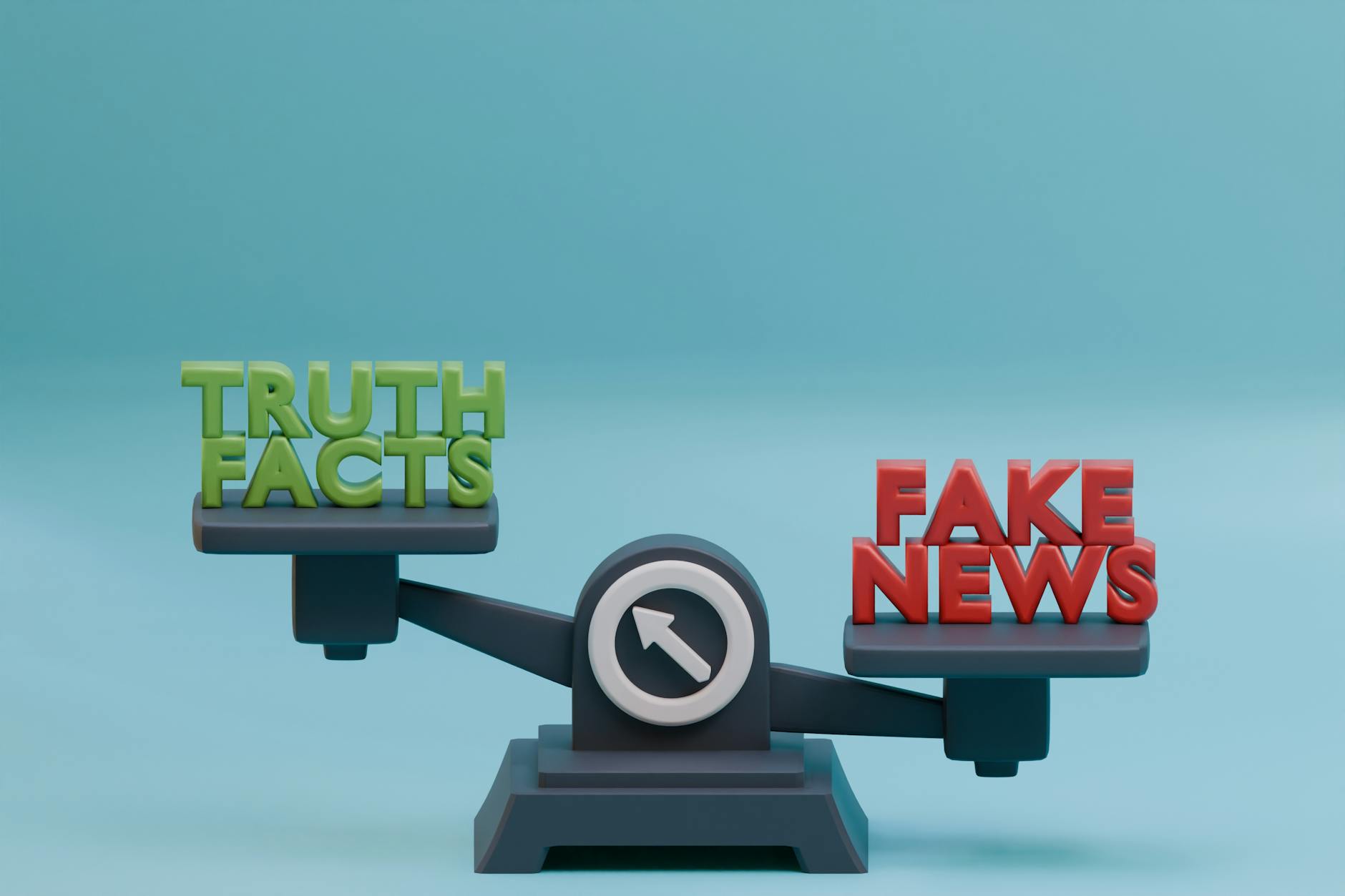
Fake Reviews Have Gotten Sophisticated
A 4.6-star rating with 50,000 reviews is not, by itself, evidence of quality or safety. That needs saying plainly. Review manipulation is a thriving industry. A 2022 analysis by researchers at the University of Baltimore estimated that fake reviews influenced $152 billion in consumer purchasing decisions globally that year — app stores are very much included in that number.
The tells have evolved. Early fake review farms produced obviously robotic text: short, generic, weirdly formal. Now they use AI-generated copy with varied vocabulary, mixed sentence structures, and even a simulated distribution of 3- and 4-star reviews sprinkled in to create the appearance of authenticity. You cannot trust the aggregate number. You have to read the actual reviews.
Signals That Reviews Are Fabricated
- Burst patterns. Sort reviews by most recent, and look for a large cluster of 5-star entries posted within a few days of each other. Organic growth does not look like a vertical spike.
- Identical or near-identical phrasing across reviewers. "This app changed my life and works perfectly!" appearing verbatim or paraphrased identically across five accounts in 48 hours is copy-paste farm output.
- Reviewers with zero other reviews and no profile photos. On Google Play, you can tap a reviewer's name to see their history. Accounts with one review, no avatar, and a generic name are frequently purchased from review mills.
- A star count wildly out of proportion to written reviews. A 4.9-star rating with 80,000 reviews but only 14 visible written responses visible is a red flag. The math doesn't hold if real users were doing the rating.
- Reviews that don't describe the app's actual features. A password manager receiving reviews that praise its "incredible video quality" or "beautiful interface for browsing" suggests the reviews were written by bots or paid reviewers who never touched the product.
Here's the counter-intuitive advice: a 4.2-star app with 1,800 detailed, mixed reviews is often more trustworthy than a 4.9-star app with 100,000 suspiciously uniform ones. Lower averages don't always mean worse. Sometimes they mean real people left honest opinions.
App Store Red Flags You're Probably Skimming Past
Beyond permissions and reviews, the listing itself contains signal — if you read it rather than absorbing it passively.
Spelling and grammar errors in the description. Legitimate developers — especially those at any meaningful scale — have someone proofread the store listing before publishing. Choppy descriptions with awkward phrasing, machine-translated syntax, or randomly capitalized nouns are a common trait of apps built in low-cost fraud operations.
The "Last Updated" date. An app claiming to provide live security protection, real-time financial data, or active malware scanning that hasn't been updated since 2021 is not delivering what it promises. Functional apps get updated. Check the date and compare it to what the app claims to do.
Download count versus review count mismatch. If an app shows 10 million downloads but only 800 reviews, the ratio is implausible. Real users who engage with an app regularly tend to leave reviews at a consistent organic rate. A massive gap usually indicates inflated download numbers, inflated install counts from bots, or both.
Privacy policy quality and accessibility. Every app that collects user data is legally required under GDPR (effective May 2018 in Europe) and CCPA (effective January 2020 in California) to publish a privacy policy. A missing policy link is already a violation. But a policy that exists yet says only "we may share your data with unspecified third parties for business purposes" is technically compliant while being practically worthless. Read the first two paragraphs at minimum — you'll usually learn what you need to know that quickly.
In-app purchase disclosures that appear only after install. If an app is listed as "Free" but immediately prompts for a $49.99/week subscription before you've used a single feature, that's a dark pattern — and in some cases, a scam. Check the "In-App Purchases" line in the store listing before downloading.
Google Play vs. Apple App Store: Which Is Actually Safer?
The default assumption is that the App Store is inherently safer because Apple reviews every app submission manually before it goes live. That belief isn't wrong — but it's significantly incomplete.
| Factor | Google Play | Apple App Store |
|---|---|---|
| App review process | Automated + post-publish human review | Pre-publish human + automated review |
| Sideloading | Allowed with settings change | Restricted on iOS 17+ via notarization only |
| Malware removal speed | Slower in many documented cases | Generally faster post-discovery |
| Clone app prevalence | Higher — lower barrier to publish | Lower, but not zero |
| Data disclosures | Developer-reported "Data Safety" section | Self-reported "Privacy Nutrition Labels" |
| On-device scanning | Play Protect scans ~125 billion apps/day | No equivalent continuous on-device scanner |
| Notable historical incidents | Agent Smith (2019, ~25M devices), Goldoson (2023, 60+ apps infected) | XcodeGhost (2015, 4,000+ apps), GoldPickaxe (2024, iOS + Android) |
The contrarian read: iOS users tend to be less vigilant about vetting apps precisely because they trust Apple's review process. That misplaced confidence makes them a softer target for a specific category of attack — apps that behave normally for weeks or months after launch, then receive a server-side configuration update that activates malicious behavior once they've cleared the initial review window. Apple's reviewers can only evaluate what the app does at submission time.
Google Play Protect, meanwhile, runs continuous on-device scanning even after an app is installed and approved. That ongoing monitoring is a meaningful architectural difference in day-to-day protection, even though the initial barrier to publishing on Android is demonstrably lower.
Neither platform is a guarantee. They are speed bumps, not walls.

Quick Pre-Install Checklist
Run this before installing any app that will handle sensitive data — banking, health records, messaging, passwords, or anything requiring login credentials.
- Search the app name plus "malware" or "scam" — thirty seconds of due diligence that most people skip entirely.
- Verify the developer name matches the organization you expect, checked outside the store.
- Confirm the developer has other published apps and an account older than a few weeks.
- Read the permissions list before tapping download — on Android, this is visible in the store listing under "App permissions" without installing anything.
- Scan the 1-star reviews for patterns around privacy violations, unexpected charges, or data theft claims.
- Check the "Last Updated" date — anything security-adjacent untouched for 18+ months carries elevated risk.
- Follow the privacy policy link and read the opening paragraph — see if it loads, see if it names specific data partners.
- Audit the download-to-review ratio — a new app with 5 million downloads and 150 reviews almost certainly has inflated numbers.
- For financial or health apps: start from the official organization's website, not the store's search results.
- After install, review permissions in your device's system settings and revoke anything that doesn't serve a clear function — on Android, go to Settings → Privacy → Permission Manager; on iOS, Settings → Privacy & Security.
Sources & Further Reading
Kaspersky Threat Intelligence Portal — Publishes quarterly mobile threat reports with actual detection counts organized by platform, geography, and malware family. The primary source for current Android malware volume statistics and trend data.
Google Play Store Transparency Report — Annual breakdown of apps removed from Google Play, removal reasons by category, and aggregate Play Protect scan statistics. Primary source, directly from Google.
Apple Platform Security Guide — Apple's own documentation on the App Store review process, notarization requirements, and on-device security architecture. Useful for understanding precisely what Apple's review covers at submission versus at runtime.
FTC Consumer Information (consumer.ftc.gov) — Practical guidance on mobile app scams, unauthorized subscription charges, and how to report fraudulent apps. Written for general consumers, not technical audiences.
Zimperium Global Mobile Threat Report — Annual industry analysis of mobile-specific threats, phishing targeting rates, and vulnerability trends across iOS and Android. Published by a mobile security firm, so read it with that commercial context in mind, but the underlying data is consistently well-cited.